4-Week Puppy Training Plan: Potty, Crate, Cues & Social
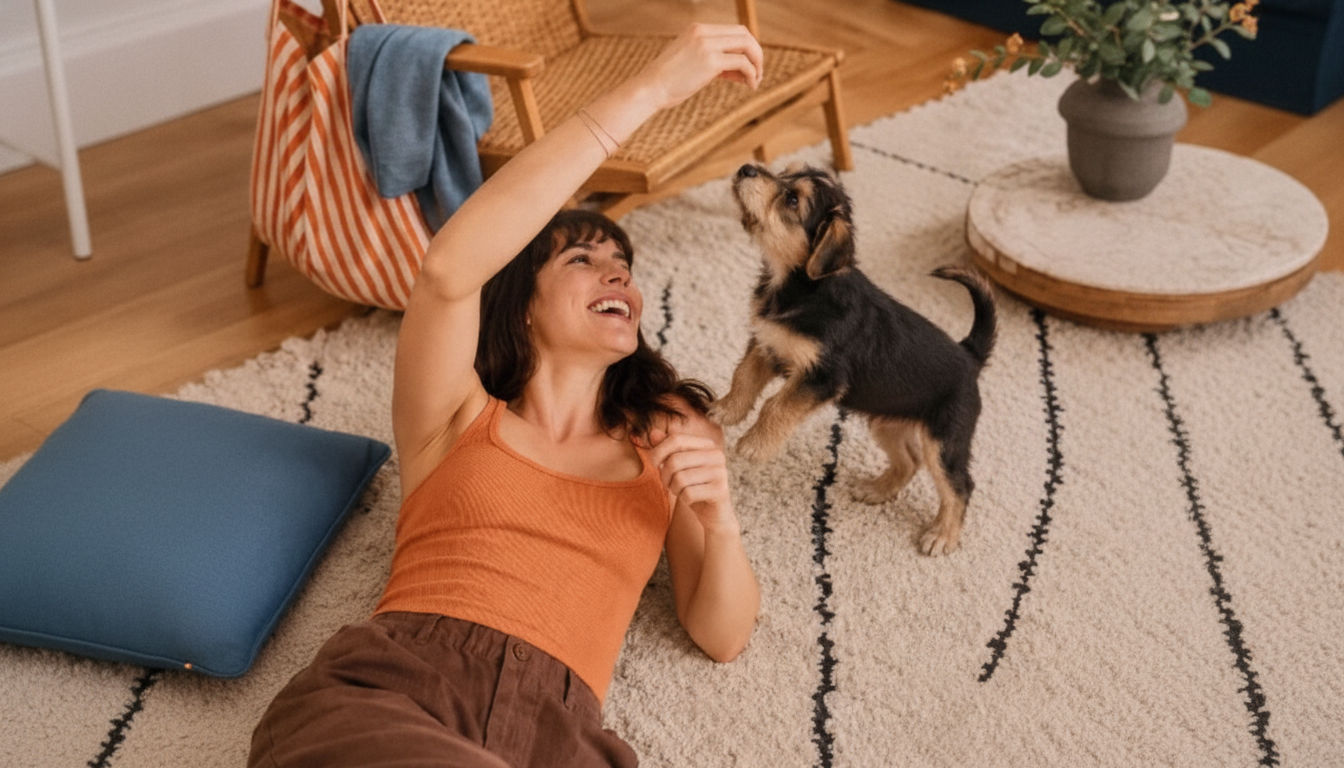
New Puppy Training Starter Guide: A 4-Week Routine for House-Training, Commands, and Socialization
A new puppy learns fastest when daily life stays predictable: frequent potty breaks, short training sessions, calm social exposure, and plenty of sleep. This starter guide lays out a simple 4-week routine with practical steps for house-training, crate habits, basic cues, and early socialization—without overwhelming beginners.
Before Training Starts: Set Up the Home for Success
Before focusing on commands, set your puppy up to succeed by making the “right” choices easy and the “wrong” choices difficult to practice.
- Pick two “yes” areas: one outdoor potty spot and one calm indoor training spot. Returning to the same places reduces confusion and speeds learning.
- Choose a management plan: use a crate, a playpen, and an indoor leash to prevent rehearsing chewing, accidents, counter surfing, and jumping.
- Stock essentials: enzymatic cleaner, a variety of chews (soft rubber plus durable options), a treat pouch, lightweight leash, properly fitted harness/collar, and an ID tag.
- Decide household rules now: furniture access, rooms allowed, and how greetings happen. Consistency across people prevents mixed messages.
- Schedule a vet visit: ask about vaccine timing and safe local options for early socialization (including low-risk outings).
The First Skills to Teach: Name, Potty Pattern, and Calm Check-Ins
In the first days, prioritize skills that improve communication and prevent accidents.
- Name game: say your puppy’s name once. The moment they make eye contact, mark with praise (“yes!”) and reward. This builds a quick “check in” habit.
- House-training foundation: take your puppy out after waking, after eating/drinking, after play, and every 30–60 minutes when awake. Reward immediately after they finish.
- Add a potty cue: say “go potty” only while they’re actively eliminating. Avoid repeating the cue when they’re sniffing or distracted.
- Calm handling: briefly touch paws/ears/collar and feed a treat. Keep it under 30 seconds so your puppy stays relaxed and willing.
- Teach “settle” early: reward your puppy for lying on a mat or blanket. This becomes your go-to skill for greetings, meals, and quiet time.
A Simple 4-Week Routine (Training, Potty, Play, and Sleep)
Keep training short and frequent. Aim for 3–5 minute sessions, 2–6 times daily, and stop while your puppy is still successful. Most puppies need 18–20 hours of sleep; overtired puppies tend to bite more and struggle to learn.
Rotate low-stress enrichment like short sniff walks, scatter feeding, food puzzles, and chew time. Build a predictable day: wake → potty → play/train → food → potty → nap, repeating throughout the day. If accidents happen, track the time and context to identify patterns (too much freedom, missed timing, excitement).
4-Week Starter Plan (Beginner-Friendly Targets)
| Week | Main goals | Daily focus | Milestones to look for |
|---|---|---|---|
| Week 1 | Bonding + potty routine + crate comfort | Potty every 30–60 min when awake; name game; reward calm; brief crate sessions with treats | Fewer indoor accidents; puppy can rest in crate/pen for short periods |
| Week 2 | Basic cues + leash basics + gentle alone-time | Add sit/down; start loose-leash steps indoors; 1–5 minute alone-time practice | Responds to name; can follow a lure into sit; calmer when people move away briefly |
| Week 3 | Reliable routines + impulse control | Add wait at doors/food; trade game for chews; longer naps; supervised free time in one room | Asks to go out more often; reduced nipping; quicker recovery from excitement |
| Week 4 | Social confidence + real-life practice | Field trips to safe places; polite greetings; recall games; reinforce calm on mat | More consistent potty habits; follows simple cues with mild distractions |
House-Training and Crate Training Without Setbacks
House-training is mostly about prevention and timing. If you can’t watch your puppy, use a crate or pen—freedom is earned gradually.
- Reward timing matters: treat within 1–2 seconds of finishing outside. Late rewards don’t connect to the potty behavior.
- Accidents: interrupt gently (no scolding), take your puppy outside, and then clean with an enzymatic cleaner to remove odor markers.
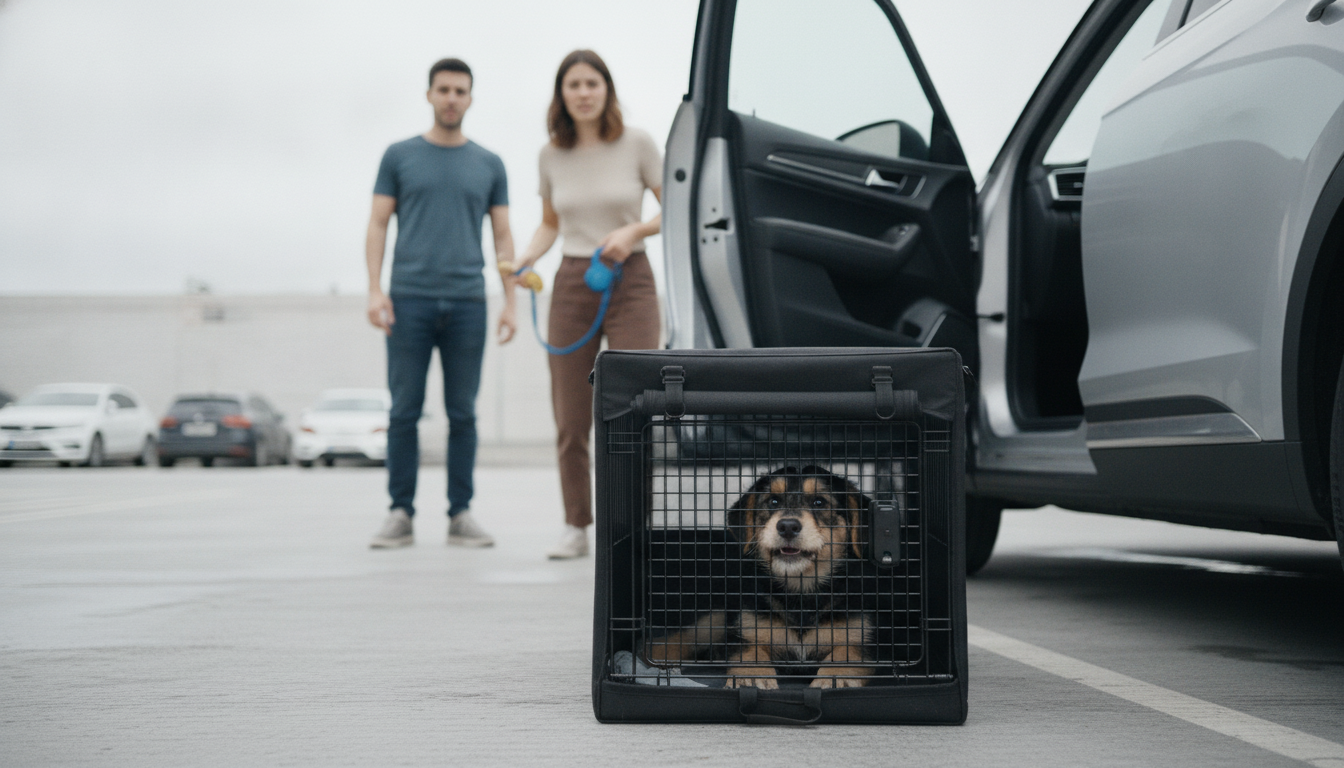
- Crate comfort steps: feed meals in/near the crate, add a chew, close the door for seconds → minutes, and open before whining escalates.
- Night routine: last potty trip right before bed. If your puppy wakes, keep it boring—potty only, no play—then back to sleep.
Core Commands for Beginners: Sit, Down, Come, Leave It, and Drop It
Teach skills in tiny steps and reward progress. Perfection comes later; early success builds confidence.
Socialization That Builds Confidence (Not Overwhelm)
For guidance on safe early socialization and why it matters, see the American Veterinary Society of Animal Behavior (AVSAB) puppy socialization position statement. You can also review training fundamentals from the American Kennel Club and general puppy care guidance from AAHA guidelines.
Printable Starter Guide: A Ready-to-Follow Plan for the First Month
- New Puppy Training Starter Guide (Printable eBook) includes a week-by-week schedule, command progression, socialization ideas, and tracking sheets for accidents and wins.
- For busy days (or the human “puppy blues”), consider a short reset routine like 5-Minute Reset for Exhausted Parents (3 in 1) | Audio Course to stay calm and consistent during the first month.
FAQ
What is the first thing I should teach my new puppy?
Start with a predictable potty routine and the puppy’s name to build fast attention. Add a simple calm check-in (eye contact) and reward settling so your puppy has a clear foundation for everything that follows.






Leave a comment